Singularity Club

A private longevity concierge: devices + data + a personal AI copilot, tuned to you.

We build your target state — through easy-to-run experiments and routines.

Personal playbook in month one. Early wins in week two.

Who it’s for

  • Founders and executives (typically 35–55) who want more daily energy and a longer healthspan
  • People who like clear systems, measurable feedback, and practical execution
  • Anyone ready to run small experiments and build sustainable routines

Not for

  • If you’re looking for emergency care, diagnosis, or medical treatment
  • If you want generic advice without tracking, feedback, and follow-through

How it works

01

intake and baseline illustration

Intake & baseline

We map your goals, constraints, history, and routines. We establish a baseline using available data (wearables, labs, environment, and lifestyle patterns).

02

personal AI copilot and protocols illustration

Personal AI copilot + protocols

We provide you with a personal AI copilot that supports experiments, tracking, and reflection.

03

concierge execution illustration

Private concierge execution

A manager supports setup, reminders, and implementation. If anything looks clinically significant, we coordinate referral to a licensed clinician.

Why this works

  • Deeply personalized: we see your signals (devices, labs, genome, goals) in context
  • Science-informed: we track new evidence continuously
  • Minimal effort, high leverage: we choose small experiments with outsized payoff

The copilot stays with you as your guide; concierge support is always available.

What it looks like

A calm, private loop: data → context → decision → next step.

Daily plan adjustment

WHOOP + Polar + Calendar + Notes

Ilya, I reviewed your day in WHOOP: strain is low right now and recovery is good — it makes sense to schedule some movement today before your meetings run until evening.
Polar shows a long strength session yesterday (about 1h 20m in the afternoon). How’s DOMS today — mild, moderate, or strong? I’m asking because WHOOP shows 10 sleep disturbances, but overall sleep still looks decent: ~7h 21m, with ~15 minutes awake.
I also noticed heavier notes in your journal today. With that load, a gentle daytime session makes sense: a 30–40 min walk, mobility, or an easy warm-up — no pushing.
We have a window before your 16:30 call. Want me to block a light session before that?
Yes — let’s do a light walk + mobility.

Sleep fragmentation review

Sleep + Workload + Environment

Good morning, Ilya.
WHOOP: ~7h 04m sleep, but 16 disturbances (quite fragmented). Total awake time ~25 minutes. Recovery 59%.
Possible drivers: training load (3rd workout in a row), a dense day (11 calendar events), and heavier cognitive/emotional load from yesterday’s notes — I can ask you about that later, if you don’t mind.
Atmocube shows the bedroom was cooler than usual, and CO₂ was higher than your baseline (~755 ppm). Still normal, but more fresh air could improve recovery tonight. Want a reminder to air out the room?
Felt restless. Yes, remind me — I forgot to open a window yesterday.

Dream → day plan

Mental health + Scheduling

Thank you for sharing that dream.
A quick perspective: it fits your recent sequence around processing loss. And yes — as you noted earlier — there’s nothing to blame yourself for. You didn’t get to choose which defenses you formed.
Today’s load is lighter. Given the sleep debt, I’d suggest a walk and a short nap afterward. Should I put both in your calendar?
Yes. Schedule both.

Glucose pattern detection

CGM + Context + Behavior design

I’m noticing you have almost no sharp glucose spikes — except on days when you have office meetings.
What did you eat around these windows: yesterday 14:00–14:15 (before your meeting with Natasha) and on Tuesday 18:15–18:30 (after your call with Mike)?
My hypothesis: the office has an “easy tasty source” that your body reacts to strongly. The simplest fix is to remove that snack from easy reach (change the default environment).
Likely pastries in the office kitchen. I’ll avoid them / bring my own snack.

What you get in the first month

  • Deep intake interview + baseline data
  • 2–3 targeted experiments (sleep, environment, nutrition timing, stress)
  • A simple dashboard and a personal playbook
  • Weekly cadence and support in a shared chat (you + manager + copilot)

Core domains

Core

Check-up & prevention

checkup domain illustration

What we include

  • Structured history: diagnoses, prior labs, imaging (MRI/CT/X-ray), development patterns, addictions, family history
  • Whole genome sequencing (WGS) as a long-term foundation for personalized risk screening (provider: Sequencing.com; we can accept compatible WGS: ~30x, FASTQ + BAM (GRCh38) or CRAM + VCF)
  • Biomarker panels tailored by sex, age, and risk profile (blood / urine / stool as appropriate)
  • Functional tests: VO₂max / FatMax, polysomnography, body composition, carotid/femoral ultrasound, heart rhythm and blood pressure, imaging when clinically appropriate, dental assessment
  • Vaccination plan based on risks, travel, age, and medical history

What you get

  • A clear baseline of your current health state and risk profile
  • A practical screening plan and follow-up cadence

Examples

A genetic variant helped identify a targeted supplement strategy that improved concentration

Polysomnography revealed bruxism → a night guard reduced morning headaches

Bloodwork flagged a liver-related red flag → clinician coordination helped prevent a serious issue
Core

Sleep

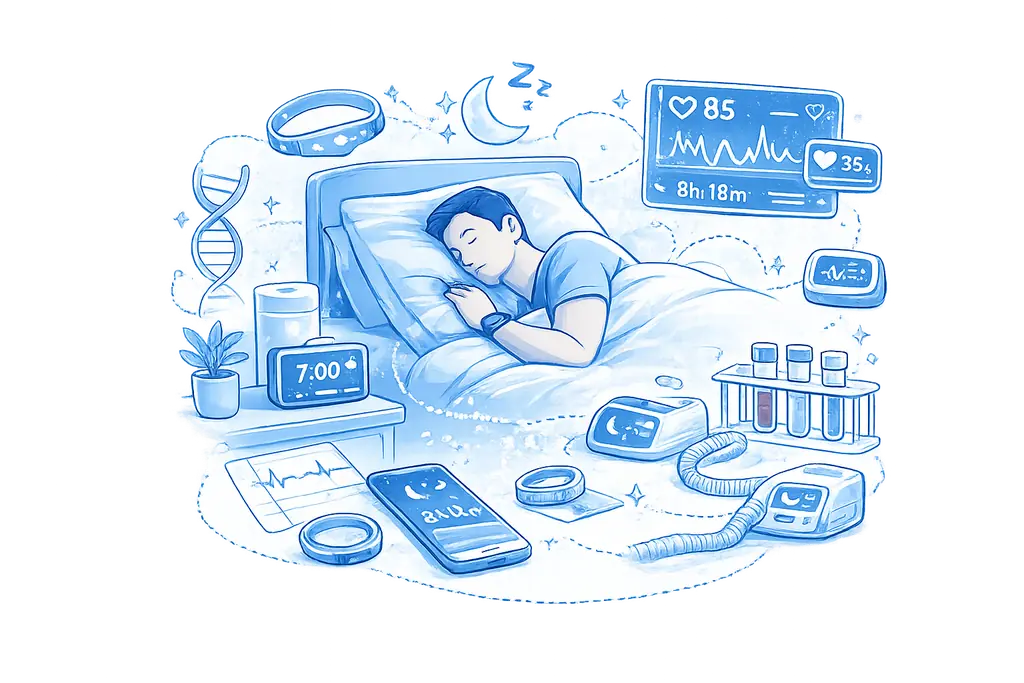
sleep domain illustration

What we include

  • Continuous bedroom monitoring: CO₂, PM2.5, humidity, temperature, light, noise (Atmocube + compatible sensors)
  • Sleep analysis from subjective check-ins + objective signals (Oura, WHOOP, Withings, 8sleep where available): duration, consistency, awakenings, apnea/snoring signals, temperature changes
  • Linking sleep to the previous day: training load, stress, illness, alcohol, meals, hydration, travel/time zones, medications, and screen use (opt-in sources like calendar/notes)
  • Recommendations for practical sleep gear: mask, earplugs, bedding, pillow, duvet, mattress, humidifier, air purifier, wake-up light
  • Evidence-based options to discuss with licensed clinicians when appropriate

What you get

  • A clear model of what drives your sleep quality (environment + behavior + physiology)
  • A targeted protocol that improves sleep consistency and recovery

Examples

Lowering bedroom CO₂ with ventilation + earplugs improved sleep quality

A bright morning light routine improved morning alertness within minutes

Suspected apnea → clinician referral → CPAP therapy significantly improved quality of life
Core

Movement

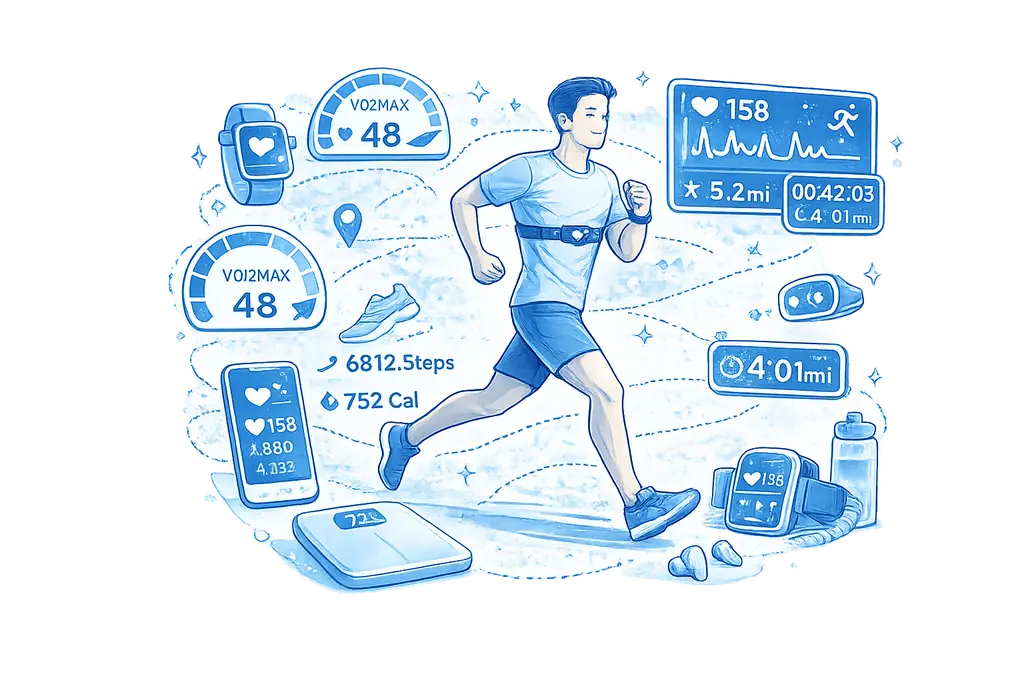
movement domain illustration

What we include

  • Activity and training analysis using WHOOP/Oura + Polar chest strap where needed (accurate heart rate during workouts)
  • Training plan based on goals, preferences, and data: body composition, resting HR, HRV, VO₂max/FatMax, blood tests, genetics (when available)
  • Timing and type of training aligned with recovery signals and calendar availability (opt-in)
  • Recommendations for coaching and recovery support (e.g., Future.co), massage referrals by location; supplements via licensed clinicians when appropriate

What you get

  • Clarity on how movement patterns affect energy and long-term health
  • A realistic, recovery-aware plan you can actually execute

Examples

Moving training to mornings + adding mobility improved recovery and enjoyment

Consistent zone training improved VO₂max and reduced body fat

Planned walks + recovery sessions increased daily steps and “body comfort”
Core

Cardiometabolic health

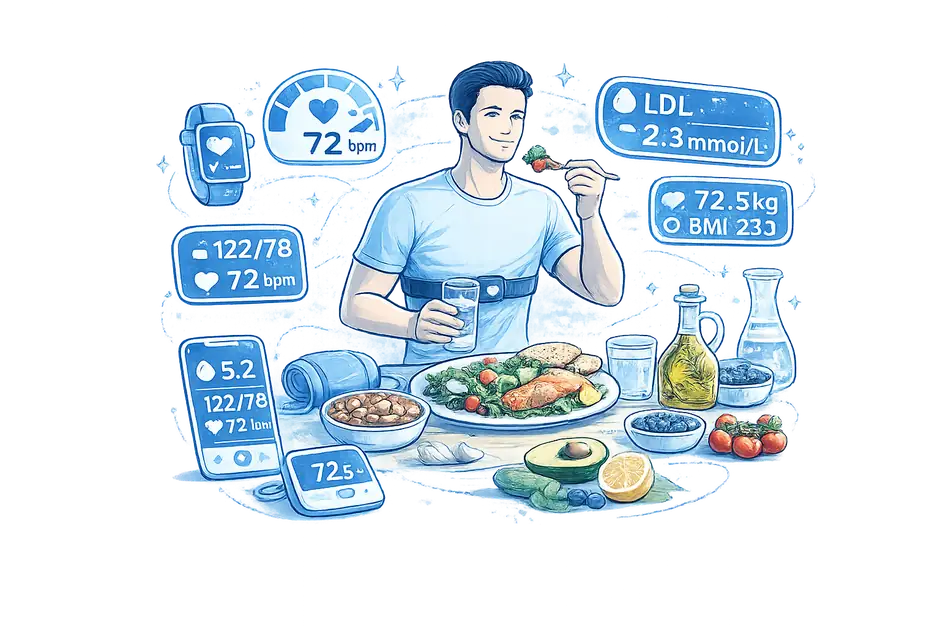
cardio domain illustration

What we include

  • Glucose pattern analysis (Dexcom G7 optional), body composition tracking, hydration, protein and nutrient sufficiency
  • Optional urine insights (Withings U-Scan) for hydration and nutrition signals
  • Nutrition plan recommendations: timing, macronutrients, water, alcohol (with clinician pathways when needed)
  • Optional psychological support for behavior change + referrals to specialists by location

What you get

  • A practical model of how eating and hydration affect energy, cravings, and long-term risk
  • A stable plan (not “dieting”), plus support to stick with it

Examples

Hydration tracking + reminders reduced appetite and supported weight loss

Swapping office snacks reduced glucose spikes and cravings

Fixing low protein intake improved muscle gain and recovery
Core

Environment

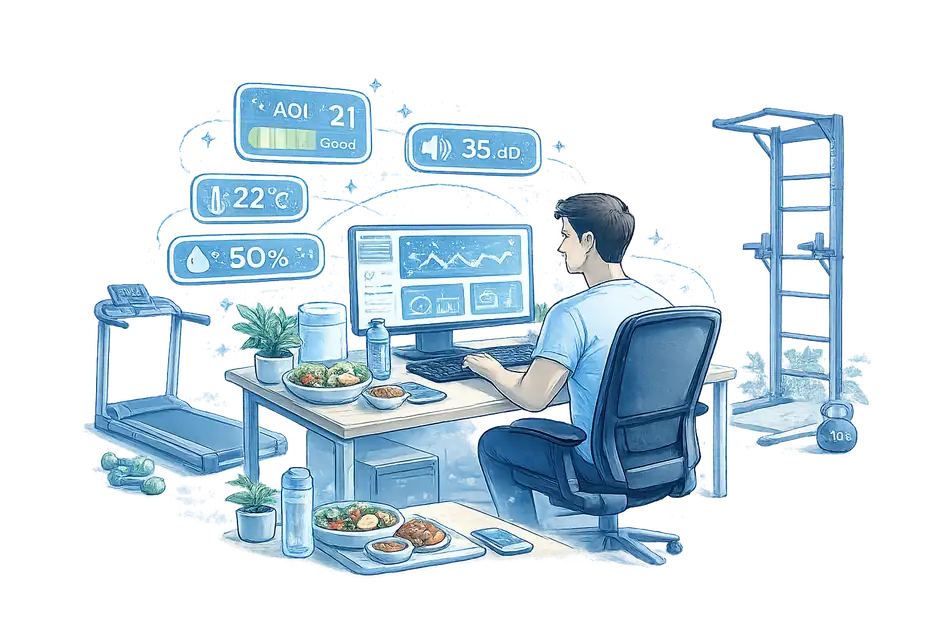
environment domain illustration

What we include

  • Assessment of your physical environment (sleep space, kitchen, workspace, car) against your goals
  • Review of your information environment (news, social feeds) for stress and goal alignment (opt-in)
  • Recommendations for physical environment changes (friction design)
  • A news “diet” delivered by your copilot (frequency, topics, tone)
  • Support during transitions to new defaults

What you get

  • Clarity on how your environment helps or blocks your goals
  • A redesigned default system that reduces stress and doom-scrolling, and supports action

Examples

Replacing sweets with a healthy default snack reduced weight and cravings

Moving news consumption into a controlled bot feed reduced stress

Workspace redesign with meaningful cues improved work satisfaction

Optional modules

Appearance

Skincare plan, cosmetic medicine specialists, hair and basic aesthetic upgrades.

Relationships & communication

Social connections (quantity and depth), boundaries, conflict behavior, and relationship dynamics.

Productivity

Calendar and focus patterns (opt-in), friction reduction, shutdown ritual.

Mindfulness

Reflective skills (mentalization) and embodied practices (felt sense).

Safety

Practical risk reduction: travel, driving, sexual health, and personal safety habits.

Privacy & ownership

  • You own your data. You control what is shared.
  • Client-held private key (zero-knowledge storage for your personal vault).
  • Share-by-consent only: nothing is shared without your action.
  • Portability guarantee: export your data anytime; self-host option available.

Evidence

Evidence approach

We prioritize clinical guidelines, systematic reviews, and large randomized trials when making recommendations. Experiments are clearly labeled as such. If something looks clinically significant, we coordinate referral to a licensed clinician.

We don’t add interventions until they pass clear safety and evidence gates.
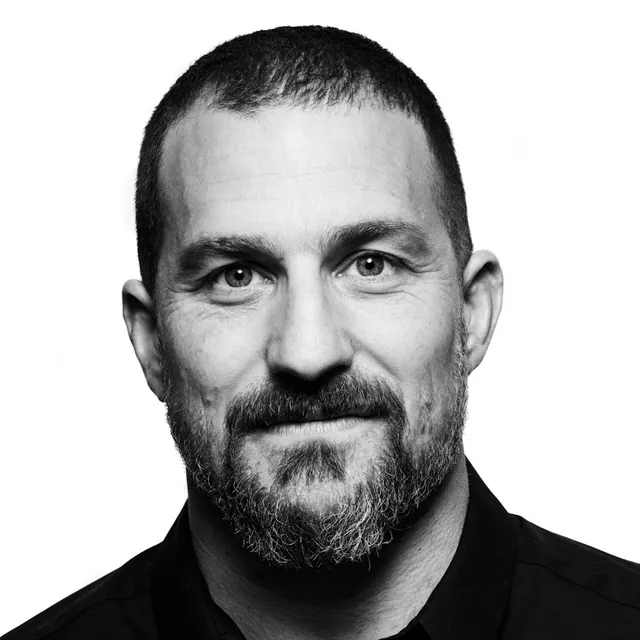
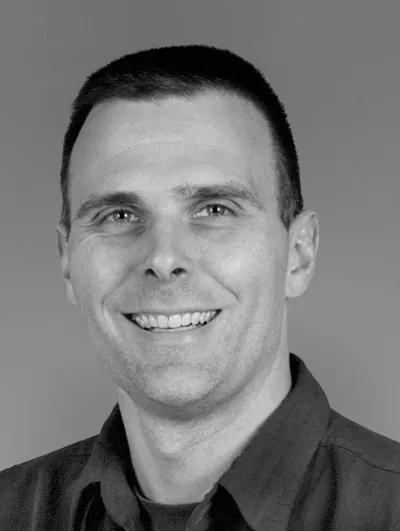
Informed by (not endorsed by)

michael levin, phd

michael levin, phd

distinguished professor of biology and vannevar bush chair, tufts university; director, allen discovery center
Price

€10,000/year

Typical additional costs

Devices and testing are paid separately. Typical range: €5–10k, depending on what you choose.

AI usage

AI usage included (up to $1,000).

Not included

  • Training programs purchased separately
  • Medical procedures and treatments
  • Consultations with external specialists (billed separately)

Apply

Short form — we’ll follow up in Telegram.

Telegram will open with a pre-filled message.